King Of Jordan: A Comprehensive Look At The Leadership And Legacy - Thank you for reading, and we hope you found this article informative and engaging. Please feel free to share it with others who may be interested in learning more about the King of Jordan and his remarkable legacy. King Abdullah II's leadership style is characterized by a commitment to reform, modernization, and inclusivity. He has prioritized policies that promote economic growth, social justice, and regional stability. His approach is rooted in a deep understanding of Jordan's unique challenges and opportunities.
Thank you for reading, and we hope you found this article informative and engaging. Please feel free to share it with others who may be interested in learning more about the King of Jordan and his remarkable legacy.
Despite his achievements, King Abdullah II faces numerous challenges, including economic instability, regional conflicts, and social inequality. Addressing these issues requires a balanced approach that considers both short-term needs and long-term goals.
Over the decades, the Jordanian monarchy has evolved to meet the challenges of a changing world. From King Hussein's efforts to modernize the country to King Abdullah II's focus on digital transformation and sustainable development, each ruler has left an indelible mark on Jordan's progress. The monarchy remains a stabilizing force in a region often plagued by conflict.
His majesty king Abdullah II of Jordan King abdullah, Jordan royal
Social inequality and unemployment remain pressing issues in Jordan. The king has launched several initiatives to address these concerns, including job creation programs and social welfare reforms. However, more needs to be done to ensure equitable opportunities for all citizens.
The current King of Jordan, King Abdullah II, ascended the throne in 1999 following the death of his father, King Hussein. Born on January 30, 1962, King Abdullah II received a comprehensive education, including military training at prestigious institutions such as Sandhurst in the UK and the United States Military Academy at West Point.
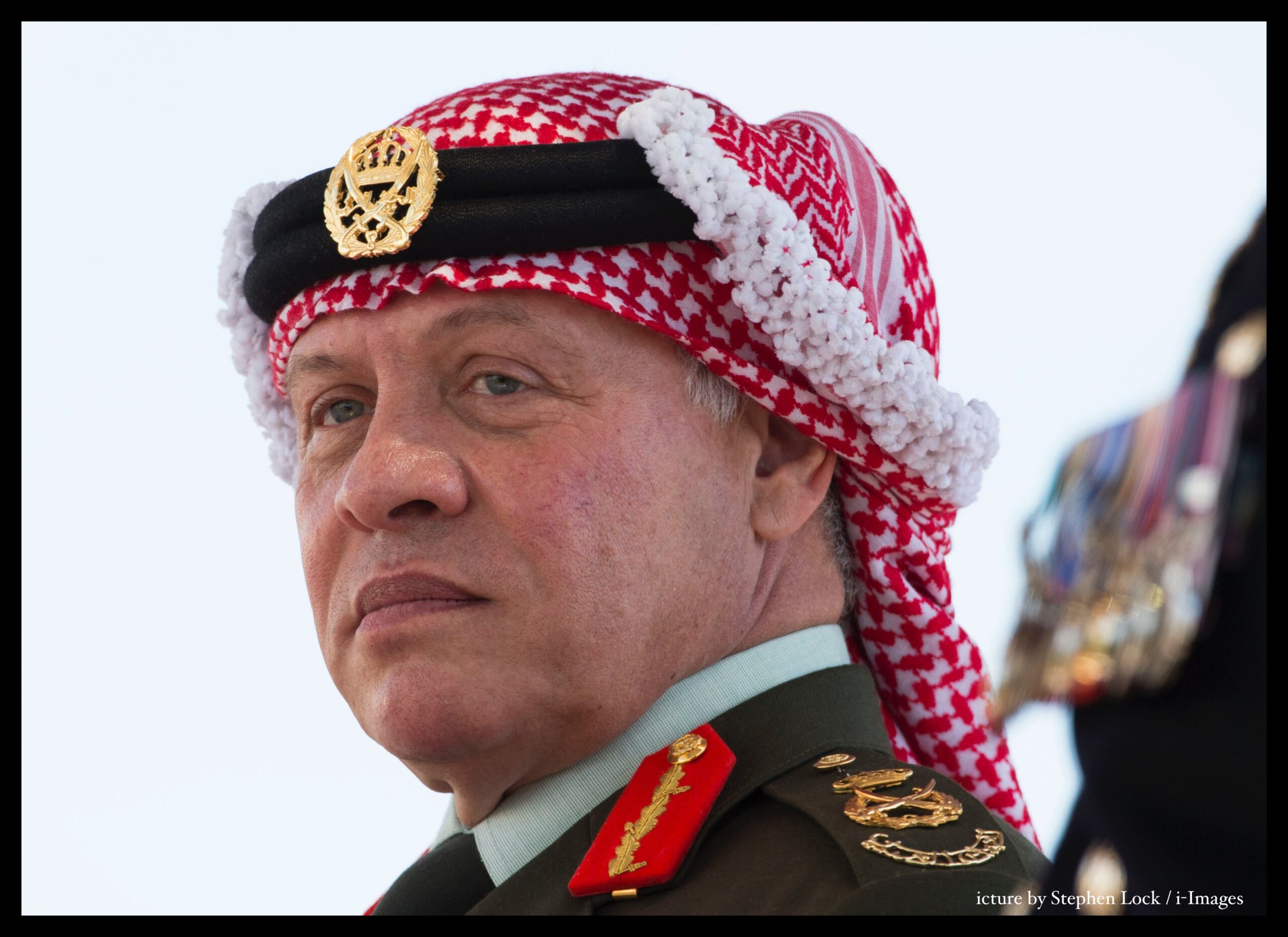
As the King of Jordan, Abdullah II plays a vital role in international diplomacy. He has been a staunch advocate for peace in the Middle East, working tirelessly to resolve conflicts and promote dialogue among warring factions.
Looking ahead, the future of Jordan under King Abdullah II remains promising. The king's vision for a modern, prosperous nation is supported by a comprehensive development strategy that addresses economic, social, and environmental challenges.
The king's focus on housing and urban development has led to the construction of affordable housing units and the revitalization of urban areas. These efforts have improved living conditions for thousands of families across the country.
The monarchy in Jordan plays a critical role in maintaining national unity and fostering international relations. As the king of Jordan, the monarch is not just a figurehead but an active participant in the nation's governance, ensuring peace and prosperity for its citizens. Understanding the king's role is essential for comprehending Jordan's political landscape and future trajectory.
The legacy of the King of Jordan, Abdullah II, will be defined by his unwavering commitment to progress, peace, and prosperity. Through his leadership, Jordan has emerged as a beacon of stability in a turbulent region, offering hope and opportunity to its citizens.
King Abdullah II has forged strong alliances with global powers, including the United States, European Union, and Gulf Cooperation Council (GCC). These partnerships have facilitated economic cooperation, military assistance, and cultural exchange programs.
